
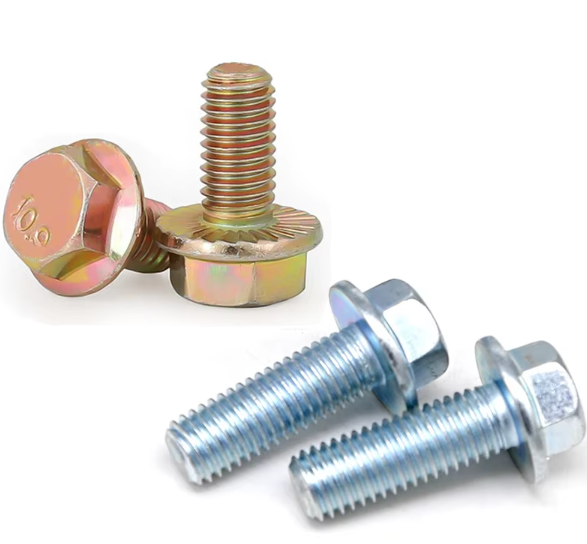
How Flange Bolt Clamping Force Determines Sealing Performance The Physics of Gasket Seating: Why Minimum Bolt Load Is Non-Negotiable Getting a good flange seal starts with making sure we apply enough clamping force using properly tightened bolts. W...
VIEW MORE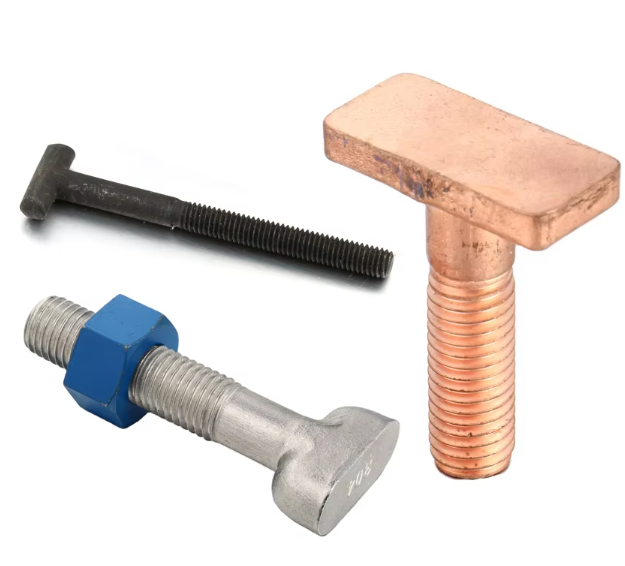
Match T Bolt Dimensions and Head Type to Your T-Slot Track Profile Properly matching t bolt specifications to your T-slot track is critical for secure installations. A mismatch can lead to instability, material damage, or complete fastener failure ...
VIEW MORE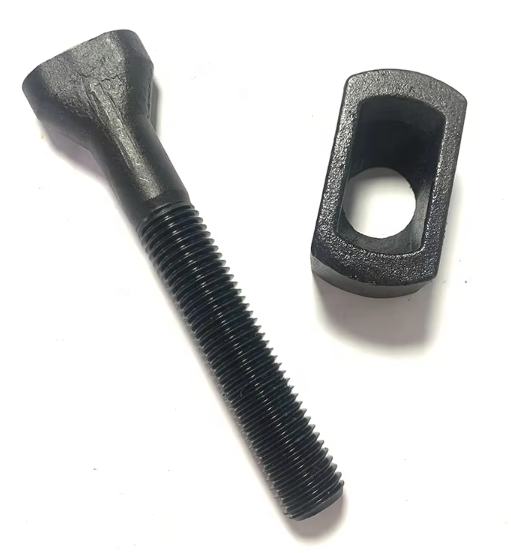
ASTM F3125: The Unified Standard for High Strength Bolts in Structural Applications Why F3125 Replaced A325 and A490 — Consolidation, Clarity, and Grade Subclassification Logic The ASTM F3125 standard took over from older specs like A325 and ...
VIEW MORE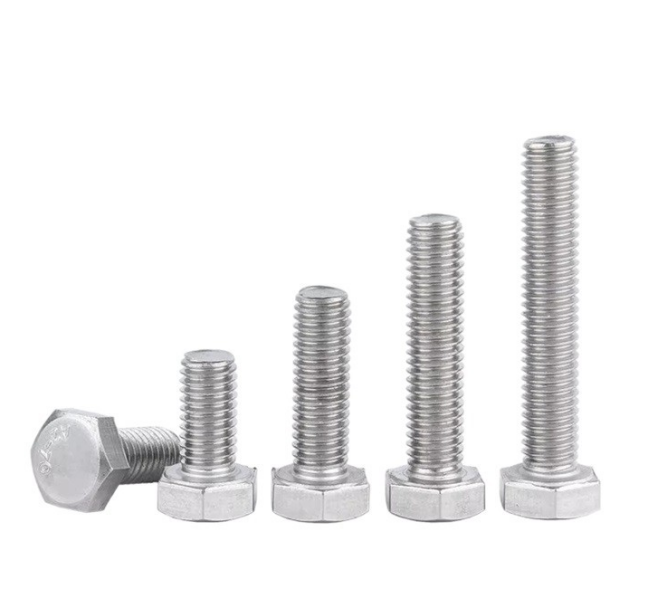
Understanding Hex Bolt Strength Grades and Load Requirements Tensile and Yield Strength Under Dynamic and Cyclic Loads Hex bolts in industrial machinery face all sorts of dynamic and cyclic loads. The tensile strength (how much stress they can take...
VIEW MORE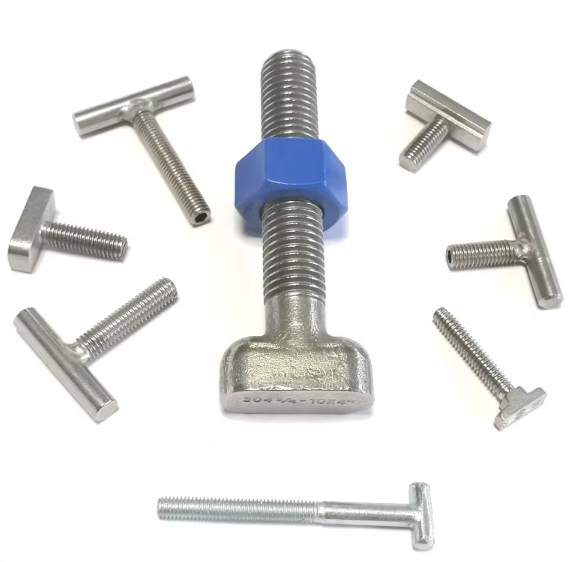
Why Corrosion Resistance Is the Defining Criterion for Marine-Grade Stainless Steel Bolts The Electrochemical Challenge of Seawater Exposure The salt content in seawater makes it act like a powerful conductor, speeding up the breakdown of metals th...
VIEW MORE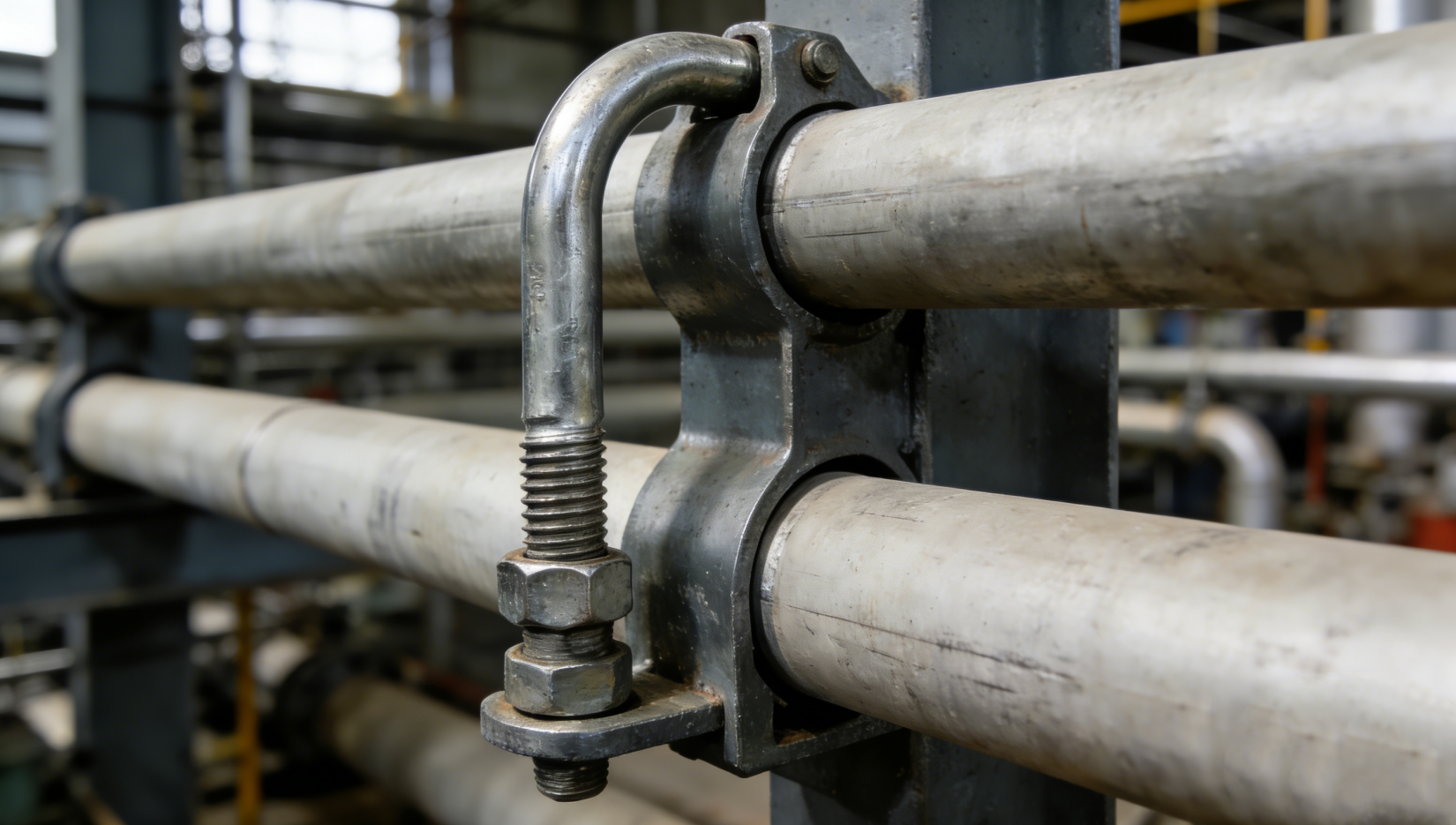
Understanding Load Bearing Capacity and Its Importance in U Bolts Definition and Importance of Load Bearing Capacity in U Bolts The load bearing capability of a U bolt basically tells us how much weight it can hold before bending out of shape, whic...
VIEW MORE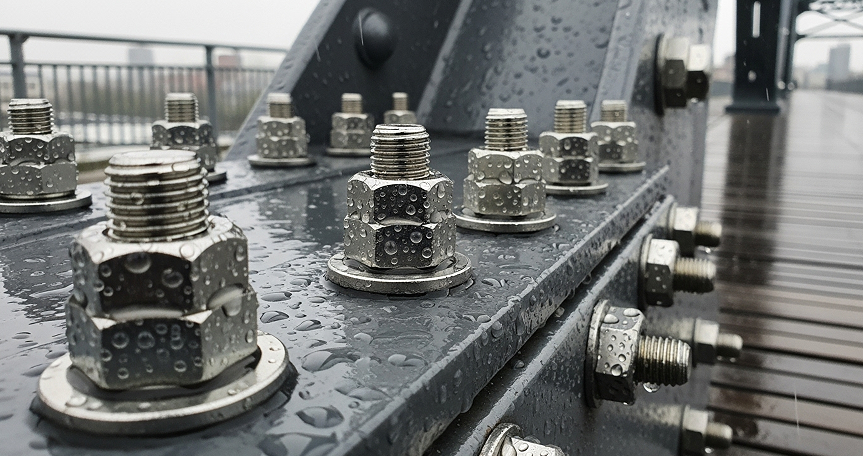
Understanding Stainless Steel's Natural Corrosion Resistance Stainless steel fasteners maintain their structural integrity outdoors through a self repairing chromium oxide layer that forms when chromium (minimum 10.5%) reacts with atmospheric oxyge...
VIEW MORE
High Tensile Strength and Load Bearing Capacity of Hex Bolts The six sides of hex bolts give them some serious strength when it comes to holding things together. Compared to those old square head fasteners, they can take about 35% more torque befor...
VIEW MORE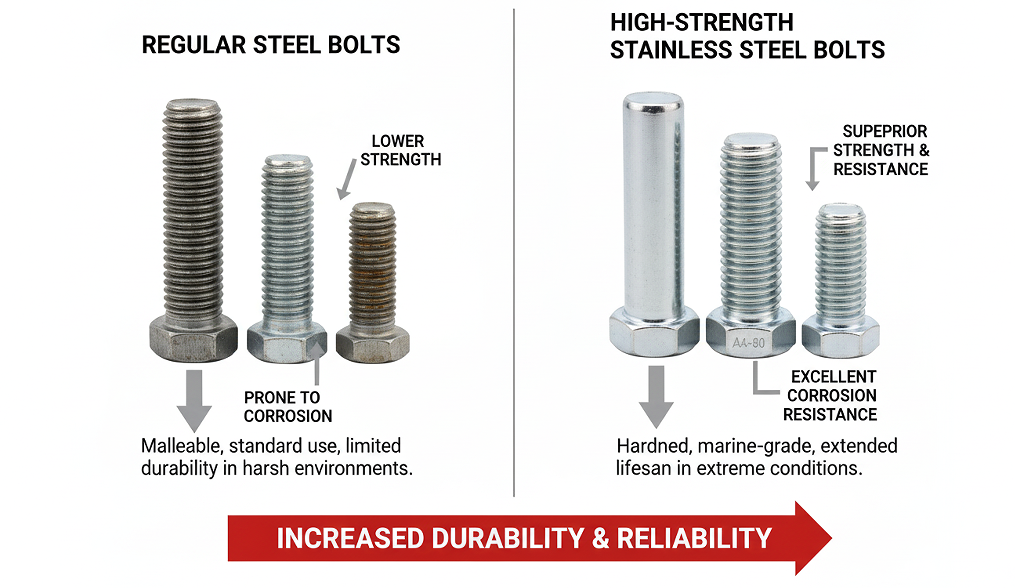
How High Strength Bolts Work: Principles and Mechanical Properties The fundamental principle of high strength bolts: clamping force and preload Strong bolts hold structures together using what engineers call controlled preload, basically an exact a...
VIEW MORE
Why 316 Stainless Steel Excels in Marine Corrosion Resistance Grade 316 stainless steel bolts beat regular 304 versions because they contain around 2 to 3 percent molybdenum in the mix. What does this mean? Well, molybdenum helps protect against ch...
VIEW MORE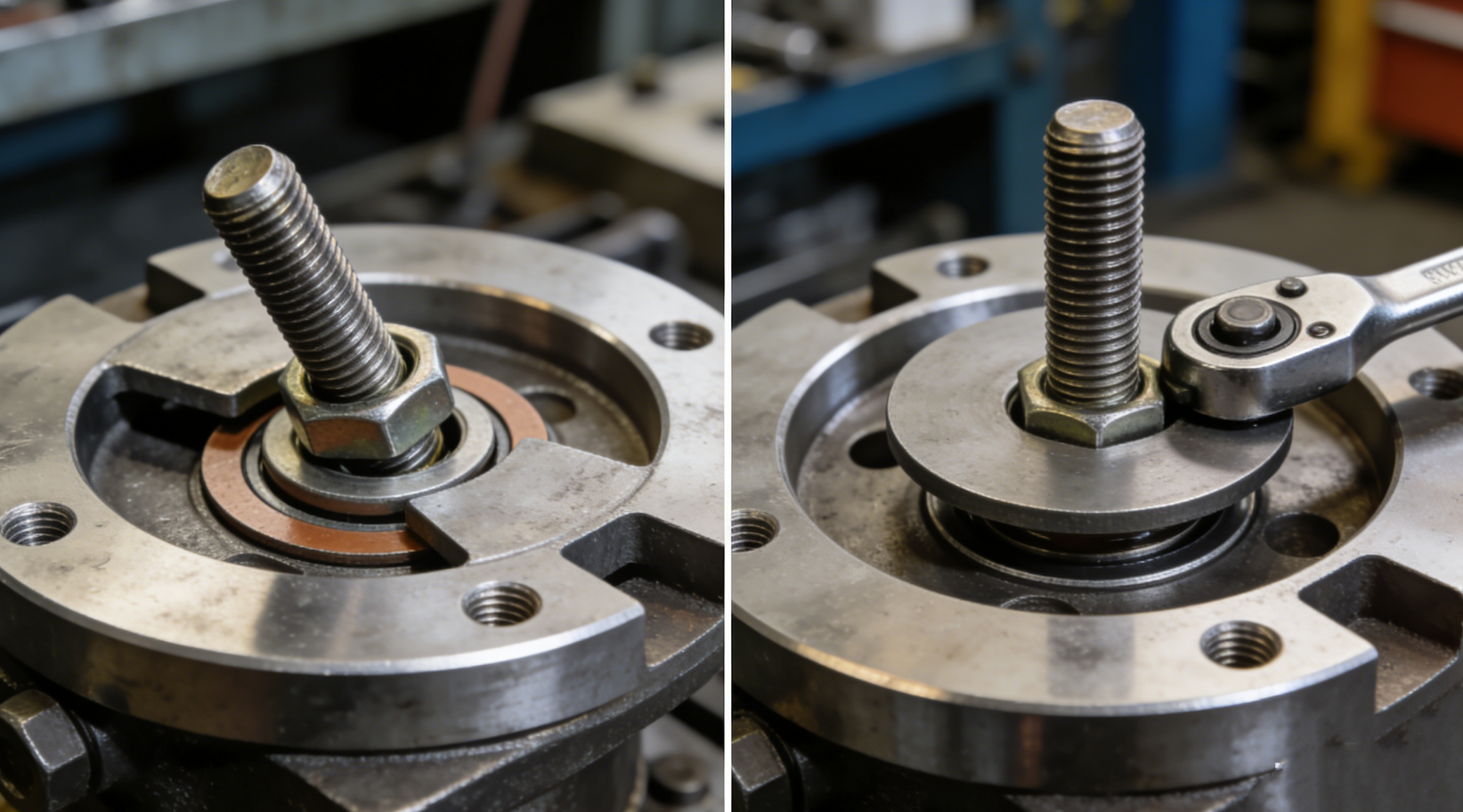
Understanding Hex Bolt Mechanics and Installation Principles The Importance of Following Hex Bolt Installation Best Practices Getting hex bolts installed correctly matters a lot for keeping structures intact. Studies show around 72 percent of probl...
VIEW MORE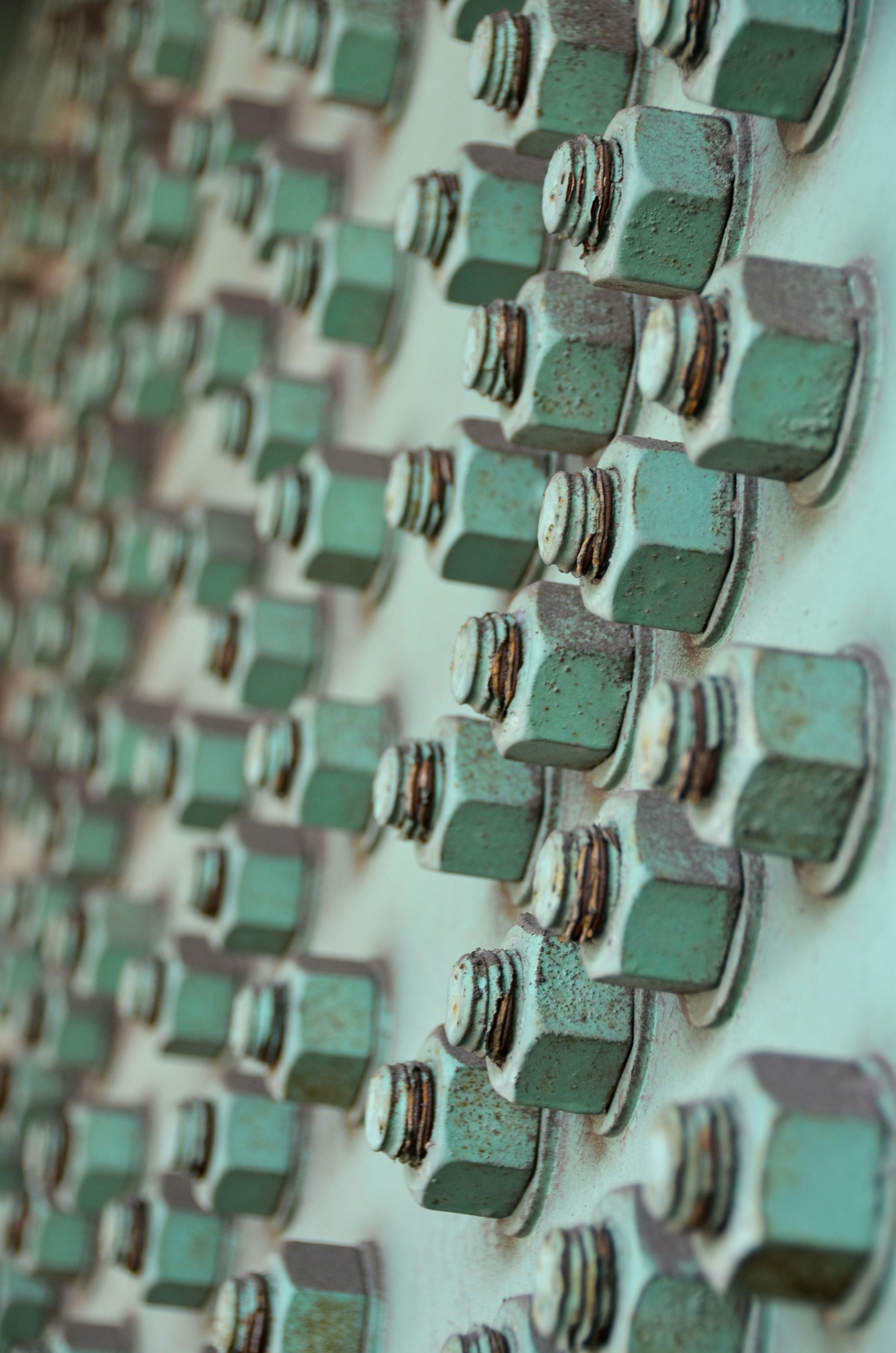
Understanding Corrosion in Stainless Steel Screws Types of Corrosion: Pitting, Crevice, and Galvanic Stainless steel screws face three primary corrosion threats in industrial applications: Pitting corrosion: Chloride ions common in seawater or de-...
VIEW MORE
We follow closely world standards and fit both for professional and industrial applications. We develop the market potential with new products to supply the efficient tools to all customers and make the users enjoy the long-history charm.
Copyright © 2025 by Ningbo Yinzhou Gonuo Hardware Co., Ltd. Privacy Policy